What documents do I need for air freight export?
Which documents are required for air freight export from the Netherlands? AWB, commercial invoice, EX-1, and more. Aircargo.nl guides you from A to Z. Contact us.
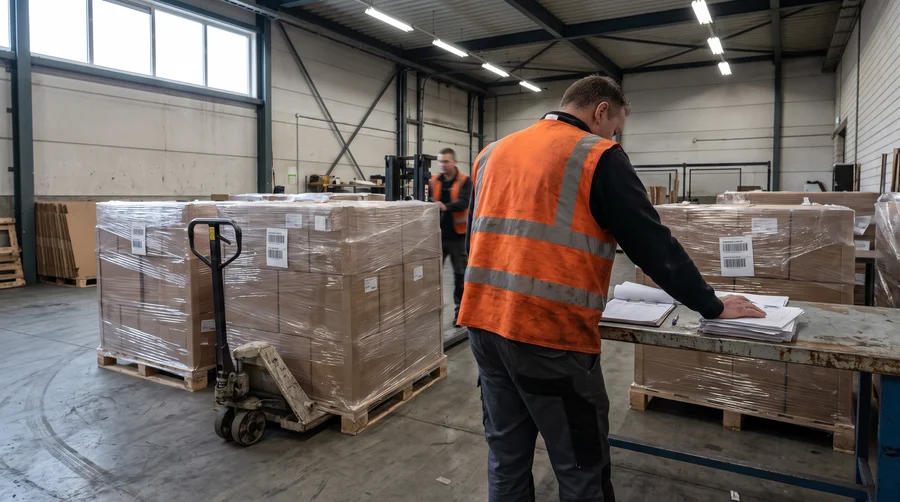
The Right Documents — Your Shipment Departs Without Delay
Missing or incorrect documents are the most common cause of delays in air freight export. If you’re wondering which documents you need for air freight export, the answer always starts at the same point: four core documents form the foundation. A shipment ready on the platform but not allowed to depart costs you time, money, and customer trust.
These four basic documents are the Air Waybill (AWB), commercial invoice, packing list, and export declaration. On top of that come additional documents depending on the cargo type and destination. Whoever takes this preparation seriously avoids surprises when it matters most.
Below you’ll find exactly which documents are required, what they’re for, and how to submit them on time and correctly.
The Air Waybill (AWB) — The Heart of Your Air Freight Shipment
The Air Waybill (AWB) is the transport contract for air freight and accompanies your shipment from start to finish. Nothing leaves without this document — it identifies the shipment, the parties involved, and the transportation conditions.
Master AWB vs. House AWB: What’s the Difference?
A Master AWB (MAWB) is issued by the airline to the freight forwarder. The House AWB (HAWB) is issued by the freight forwarder to the shipper. In practice, Aircargo.nl consolidates multiple shipments under one MAWB and issues a separate HAWB for each customer.
This distinction is important for customs handling, insurance, and potential claims. Always make sure you know which AWB number identifies your shipment — that number is also the basis for precision tracking.
Who Prepares the AWB and What Does It Contain?
The freight forwarder prepares the AWB based on the information you provide. The AWB includes—the sender’s and receiver’s names and addresses, a description and weight of the cargo, flight numbers, freight and handling charges, and any special instructions.
Errors in the AWB — such as a misspelled company name or a weight that differs from the packing list — can cause delays or even rejection by the airline. Always double-check the information before approving it.
Mandatory Export Documents Outside the EU — Commercial and Customs Documents
Besides the AWB, three documents are always required for exports outside the EU: the commercial invoice, packing list, and export declaration. They complement each other and together form the customs file that both the freight forwarder and customs authorities need.
Commercial Invoice
The commercial invoice is the most detailed document in your export file. It includes a full description of the goods, value per item, currency, HS code, country of origin, and the applicable Incoterm — such as EXW, DAP, or CIF.
An incomplete invoice is one of the most common mistakes. If the HS code is missing or the value is vaguely described, customs in the receiving country may hold the shipment. Always use the correct 6- or 8-digit HS code and explicitly state the Incoterm on the invoice.
Packing List
The packing list provides a detailed summary of the contents of each package unit: dimensions, weight, number of pieces, and exact contents per box or pallet. Values don’t need to be listed here — that belongs on the invoice.
Still, the packing list is indispensable. Customs inspectors and handlers at airports — including Schiphol — use it to perform physical checks quickly and accurately.
Export Declaration and EX-1
An export declaration is mandatory for exports outside the EU when the shipment exceeds certain threshold values. In the Netherlands, this declaration is submitted electronically through the customs system AGS. After approval, you receive an MRN (Movement Reference Number) and the corresponding EX-1 document.
Aircargo.nl is AEO-certified (Authorized Economic Operator), meaning customs recognizes us as a trusted link, which smooths and speeds up the declaration process. You benefit from fewer physical inspections and faster handling — without extra steps on your part.
Special Documents by Cargo Type
For specific cargo categories, additional documents are required on top of the standard export documents. Think of an IATA DGD for dangerous goods, temperature instructions for pharmaceuticals, and a phytosanitary certificate for flowers and plants.
Dangerous Goods: the IATA DGD
Strict rules under the IATA Dangerous Goods Regulations apply to dangerous goods. The IATA Dangerous Goods Declaration (DGD) is a mandatory document that the shipper must complete and sign. It contains UN numbers, the correct transport name, packaging group, and quantity per packaging unit.
Additionally, the shipper must prove they’ve completed recognized IATA DG training. A common example: lithium batteries shipped as UN3481, where the packaging instructions or declared quantity are incorrect. This always leads to rejection by the airline. If in doubt, contact your freight forwarder well in advance.
Temperature-Sensitive and Perishable Cargo
Written temperature instructions are mandatory for pharmaceuticals and other temperature-controlled products. For medicines, GDP guidelines (Good Distribution Practice) apply, requiring the entire cold chain to be documented — from origin to delivery.
A Perishable Cargo Declaration applies to perishable goods, confirming the shipment is suitable for air transport and properly packed. Aircargo.nl has extensive experience with temperature-controlled shipments, partly due to its background in flower freight from Aalsmeer.
Flowers, Plants, and Phytosanitary Certificates
Flowers and plants are living materials and fall under plant health regulations in many destination countries. For exports outside the EU, a phytosanitary certificate is mandatory, issued by the NVWA based on inspection by Naktuinbouw or a similar inspection body.
This certificate confirms the plants are free of harmful organisms. Aircargo.nl’s roots in flower logistics from the Aalsmeer region give us expertise in the specific timing and documentation requirements for this cargo type — even when a shipment must depart the same day.
Destination-Specific Requirements — Every Country Has Its Own Import Rules
EU export documents are only half the story. Each destination country has its own import requirements regarding certificates of origin, legalization, and additional import permits. This destination-specific documentation determines whether your shipment will clear customs smoothly.
Certificate of Origin and EUR.1
A Certificate of Origin proves where the goods were produced. For trade with countries that have an EU trade agreement — like Japan or Canada — a EUR.1 certificate or Form A (for developing countries) is often required. These documents entitle shipments to reduced import tariffs in the destination country.
In the Netherlands, you apply for a EUR.1 via the Chamber of Commerce. Submit your application early: for some destinations, this document is required upon the shipment’s arrival, not just at clearance.
Legalization and Apostille
Some countries require commercial documents to be legalized by a notary, the Chamber of Commerce, or the destination country’s embassy. An apostille is an international certification for public documents and is mandatory for countries signed onto the Apostille Convention.
An experienced freight forwarder knows the formalities for each destination and ensures your file is complete before departure. That’s exactly where Aircargo.nl’s knowledge of more than 120 destinations proves invaluable — even for less common routes.
Security Documentation and Known Shipper Status
Air freight is subject to strict security regulations from the European Commission. Businesses without recognized known shipper status undergo extra security checks, causing significant delays. As a regulated agent, Aircargo.nl handles your security documentation and screening on your behalf.
The known shipper system distinguishes shippers who have been screened by an authorized party from those who have not. Cargo from unknown shippers undergoes additional security checks, costing precious time — especially for time-critical or AOG shipments. As a regulated agent, Aircargo.nl conducts this screening for you, ensuring your shipment is designated as secure cargo.
Thanks to AEO certification and regulated agent status, Aircargo.nl seamlessly meets Schiphol’s security requirements. You don’t need to undergo a separate known shipper procedure when shipping through us — we manage security documentation as a standard part of our forwarding process.
Step-by-Step Plan — How to Prepare Your Export Documentation
Proper documentation preparation for air freight export proceeds in seven steps: from determining the correct HS code to submitting all documents to the freight forwarder. Timely submission — at least a few hours before departure — is the easiest way to prevent delays.
- Determine the correct HS code. Use the European Tariff (TARIC) to find the correct 8-digit code. If unsure, Aircargo.nl advises you.
- Prepare the commercial invoice. Include the value, currency, HS code, country of origin, Incoterm, and full sender and receiver details.
- Create the packing list. Specify each piece with dimensions, weight, and contents.
- Check if extra documents are needed. If shipping dangerous goods, perishables, or flowers, arrange the DGD, temperature instructions, or phytosanitary certificate in time.
- Research destination requirements. Does the receiving country require a EUR.1, Certificate of Origin, or legalization? Start those applications early.
- Submit all documents to Aircargo.nl. Do this at least a few hours before the planned flight time. For dangerous goods or special destinations, submitting a full business day earlier is strongly recommended.
- Aircargo.nl handles the export declaration and AWB. We file the EX-1, get the MRN, and prepare the AWB. You receive confirmation and can track your shipment.
From our office in Aalsmeer, right next to Schiphol, we coordinate every step. For questions or uncertainties, you have a dedicated contact available 24/7.
Air Freight Export Without Documentation Problems — How It Works in Practice
Correct documentation need not be a source of stress. With the right guidance, it becomes a natural part of your international logistics and export process. Those who know which documents are needed for air freight export and submit them on time avoid virtually all causes of unnecessary delay.
Aircargo.nl supports you as an AEO-certified freight forwarder from the first document check to your shipment’s arrival at its destination. Our knowledge of over 120 destinations, regulated agent status, and 24/7 availability ensure your cargo departs when it should — without delay due to missing or incorrect freight documents.
Want to know what you need for your next shipment? Contact Aircargo.nl in Aalsmeer. We provide a clear overview of the required documents and take care of the rest.
Frequently Asked Questions
Which documents do I need for air freight export from the Netherlands?
For air freight export from the Netherlands, four documents are always required: the Air Waybill (AWB), commercial invoice, packing list, and export declaration (EX-1/MRN). Depending on the cargo type — such as dangerous goods, flowers, or pharmaceuticals — and the destination, additional documents may be required, like an IATA DGD, phytosanitary certificate, or certificate of origin.
What is an Air Waybill and who creates it?
An Air Waybill (AWB) is the transport contract for air freight. The document identifies the shipment, the parties involved, and the terms of transport. The freight forwarder — in this case Aircargo.nl — prepares the House AWB based on the data you, as shipper, provide. The airline then issues the Master AWB to the forwarder.
Do I need an export declaration for every air freight shipment outside the EU?
Yes, an export declaration is mandatory for shipments outside the EU once the value or weight exceeds certain thresholds. This declaration is submitted electronically in the Netherlands via the customs system AGS. After approval, you receive an MRN and the EX-1 document. Aircargo.nl handles this as part of the standard forwarding service.
What is an HS code and why is it required on my invoice?
The HS code (Harmonized System code) is an international goods classification used worldwide by customs authorities. Based on this code, customs and forwarders determine applicable tariffs, export controls, and import requirements. Without a correct HS code on your commercial invoice, your shipment may be held or incorrectly cleared in the destination country.
What additional documents are needed to ship dangerous goods by air?
For dangerous goods, the IATA Dangerous Goods Declaration (DGD) is mandatory. This document must be completed and signed by the shipper, who must also demonstrate they have completed recognized IATA DG training. Packaging and labels must comply with IATA Dangerous Goods Regulations. Missing or incorrect documentation will always result in shipment refusal.
How far in advance should I submit my documents for an air freight shipment?
For standard air freight shipments, the guideline is to submit all documents at least a few hours before the scheduled flight time. For dangerous goods, special destinations, or shipments requiring extra certificates, submitting a full business day in advance is strongly recommended. Timely submission is the simplest way to avoid delays. Aircargo.nl is available 24/7 for coordination.
More news
Other recent posts from our team.
Freight Forwarder or Courier for Air Cargo — What's the Difference?
Choosing between a courier or air freight forwarder? Discover the 5 key differences and when Aircargo.nl is the better choice. Request free advice.
Air Freight Shipment Delayed — What Do You Do Now?
Air freight shipment delayed? Discover the causes, first steps, and your rights. Aircargo.nl assists you 24/7 with proactive solutions from Schiphol.
How Much Does It Cost to Ship Air Freight from the Netherlands?
What do you pay for air freight from the Netherlands? Discover rates per kg, surcharges, and cost factors. Request a transparent quote at Aircargo.nl.
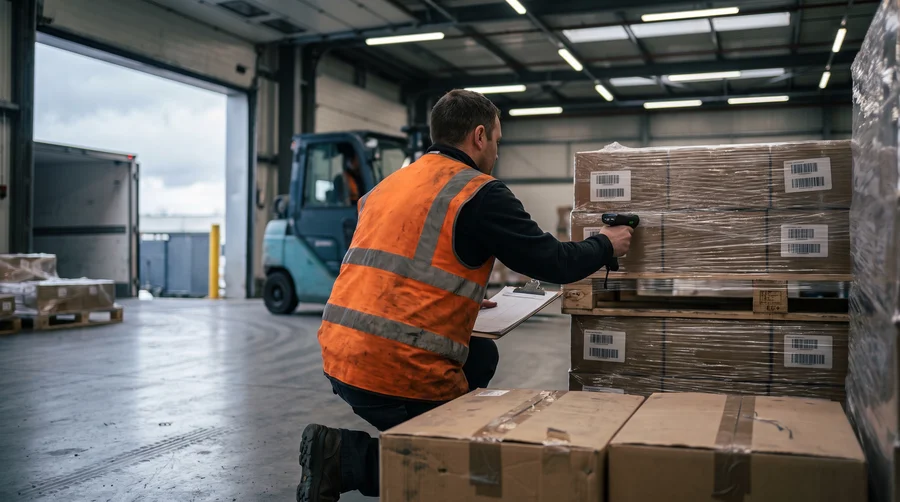
Urgent Air Freight Shipment on Weekends — Who Handles It for You?
Time-critical air freight shipment on the weekend? Aircargo.nl is available 24/7 from Aalsmeer near Schiphol. Request a quote immediately — even on Saturdays.
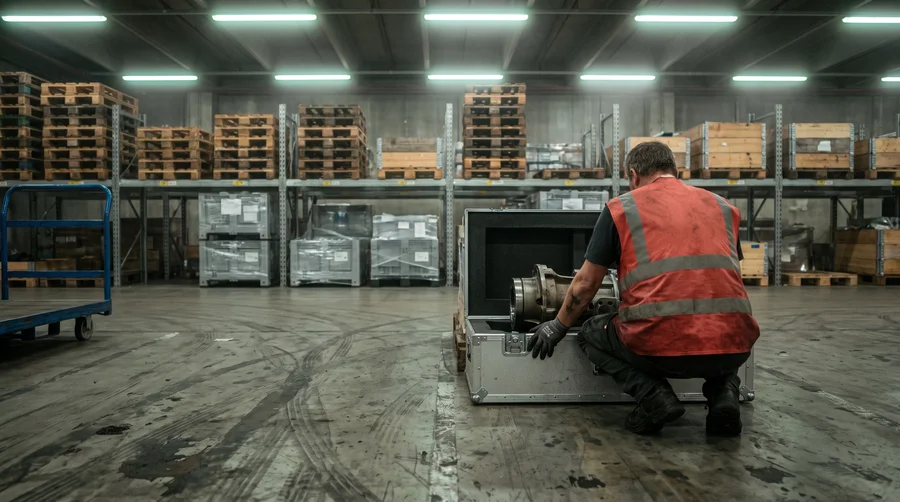
Aircraft on Ground — What to Do with Urgent Parts
Aircraft on ground? Learn step-by-step how AOG logistics works: NFO, charter, customs, and AEO. Aircargo.nl handles it 24/7 from Schiphol. Get in touch.
Air freight to the US within 24 hours — what's possible?
Air freight to the US within 24 hours from Schiphol: when is it feasible? Read about cut-offs, ISF filings, and AOG. Get advice from Aircargo.nl.
Air Freight from China to the Netherlands — Costs in 2024
What does air freight from China to the Netherlands cost in 2024? Rates from €3 to €9/kg, all additional fees explained. Request a quote at Aircargo.nl.
Best Air Freight Forwarders in the Netherlands
Compare the best air freight forwarders in the Netherlands. From Kuehne+Nagel to independent AEO-certified companies at Schiphol. Request a quote at Aircargo.nl.
How Do I Choose a Good Air Freight Forwarder?
How do you choose the best air freight forwarder? Learn which criteria really matter: AEO certification, independence, network, and transparency. Request a quote from Aircargo.nl.
Air Freight Rates Per Kg Netherlands 2024 — What You Really Pay
What does air freight cost per kg from the Netherlands in 2024? Discover rate ranges, chargeable weight, and surcharges. Request an all-in quote from Aircargo.nl.
Which Freight Forwarders Are at Schiphol?
Which freight forwarders are located at Schiphol? Check out the complete overview of major and smaller forwarders and discover how to choose the right one for your cargo.
Temperature-Sensitive Air Freight from Schiphol — How It Works
How does temperature-controlled air freight work through Schiphol? Read all about the cold chain, IATA classes, and AEO customs. Get advice from Aircargo.nl.
AOG Air Freight — What It Is and When You Need It
AOG air freight explained: what it is, how it works, and when you need it. Aircargo.nl handles your urgent shipments 24/7 via Schiphol. Request a quote now.
Best Air Freight Forwarder in the Netherlands — How to Choose Wisely
How do you choose the best air freight forwarder in the Netherlands? Read the criteria for AEO, network, and accessibility — and discover why Aircargo.nl is the right partner.
Compare the Best Air Freight Companies in the Netherlands
Compare the top air freight companies in the Netherlands by price, AEO certification, service, and specialization. Choose the right freight forwarder for your shipment — request a quote.
Request a Quote for Airfreight Small Package: Guide
Request an airfreight quote for your small package. Learn what information you need, how costs are calculated, and how Aircargo.nl assists you quickly.
How Airfreight Shipping Works from the Netherlands
Airfreight from the Netherlands: clear explanation of steps, documents, customs, and costs. Request a customized quote at Aircargo.nl in Aalsmeer.
Book Airfreight at Schiphol for Business — Fast and Hassle-Free
Booking airfreight via Schiphol for business? Aircargo.nl handles export, import, AOG, and customs — AEO certified, available 24/7. Request a quote now.
How Do I Calculate the Volumetric Weight for Air Freight?
Learn how to calculate volumetric weight for air freight using the IATA formula (L×W×H÷6000). Practical explanations, calculation examples, and tips. Request a quote from Aircargo.nl.