Temperature-Sensitive Air Freight from Schiphol — How It Works
How does temperature-controlled air freight work through Schiphol? Read all about the cold chain, IATA classes, and AEO customs. Get advice from Aircargo.nl.
You want to know how to ship temperature-sensitive cargo by air from Schiphol — in other words: how to ship temperature-controlled cargo by air from Schiphol. For that, you need more than just a booking and an air waybill. The cold chain must remain intact at every stage — from the moment the cargo leaves your warehouse until it reaches the recipient on the other side of the world.
Shipping temperature-sensitive cargo by air — what does it involve?
Short answer: Shipping temperature-sensitive air freight requires uninterrupted cold chain management at every point in the process — from packaging and documentation to handling at the airport and monitoring during the flight.
The cold chain in air freight is vulnerable at multiple points. Warm-up times at the airport, fluctuating ambient temperatures, and short transfer times during connecting flights each pose a risk you cannot ignore.
If the chain breaks at any point — due to excessive dwell time on the tarmac, delayed customs clearance, or missing documents — you risk your cargo arriving unusable. For pharmaceutical products or fresh food, this means not only financial loss but also potential risks to end users. A batch of vaccines that falls outside the 2–8 °C window due to a missed connection in Frankfurt is no longer usable, no matter how carefully the rest of the journey was handled.
A proper temperature-sensitive shipment therefore does not start at the airport, but in the planning phase: the right packaging, the right documentation, and a freight forwarder who coordinates and monitors the entire process.
Which goods require temperature control in air freight?
Short answer: The most common categories are pharmaceutical products, vaccines, fresh flowers, vegetables, fruit, fresh meat, fish, and dairy products — each with specific temperature ranges and compliance requirements.
A wide range of products is shipped temperature-controlled by air via Schiphol. Requirements vary significantly by product category.
Pharmaceutical products and vaccines
Medicines, vaccines, and biological products are typically transported under CRT (Controlled Room Temperature, 15–25 °C) or cooled (2–8 °C) conditions. Some biological products require deep-freeze temperatures down to –20 °C or even –70 °C (cryogenic). The GDP guidelines (Good Distribution Practice) and WHO standards dictate how this transport must be documented and monitored — including verifiable temperature recording throughout the entire journey.
Fresh flowers, vegetables, and fruit
Schiphol is the world’s largest flower auction hub, partly due to its proximity to FloraHolland in Aalsmeer. Aircargo.nl has its roots in the flower sector. Years of experience with cut flowers, potted plants, and other horticulture products means that the specific requirements of this sector — short turnaround times, narrow temperature margins, flight planning aligned with auction schedules — are well understood here. Flowers are usually transported at 2–8 °C, while vegetables and fruit vary by type, typically between 4–12 °C.
Perishable food and meat
Fresh meat, fish, shellfish, and dairy products also fall into the perishables category. Frozen products require an uninterrupted chain at –18 °C or lower. Every link — storage, loading, transport to the plane — must be kept at that temperature or logged demonstrably. A shipment of fresh seafood left too long on an unrefrigerated loading dock is a concrete example of the kind of loss that good planning can prevent.
Temperature classes and IATA guidelines — what you need to know for temperature-sensitive air freight
Short answer: The air freight sector uses four standardized IATA temperature classes — CRT, COL, FRO, and CRY — along with international standards such as IATA CEIV Pharma and GDP guidelines that specify how to classify, pack, and document your shipment.
Knowing the correct class and guidelines is essential for proper booking and packaging.
| Temperature Class | Abbreviation | Range |
|---|---|---|
| Controlled Room Temperature | CRT | +15 °C to +25 °C |
| Cooled | COL | +2 °C to +8 °C |
| Frozen | FRO | –18 °C or lower |
| Cryogenic | CRY | Below –150 °C |
IATA CEIV Pharma and GDP guidelines
The IATA CEIV Pharma program is the leading certification standard for pharmaceutical transport. Airports, handlers, and airlines with this certification meet demonstrable quality standards for the pharmaceutical cold chain. GDP guidelines, issued by the European Commission, regulate how medicines are stored, transported, and documented — even when transported from Schiphol to destinations outside Europe.
For exports from the Netherlands, WHO guidelines also apply as a reference framework, especially for vaccines and biological products destined for developing countries.
Active versus passive cooling
Active cooling systems are controlled ULD containers (Unit Load Devices) with their own cooling units. These systems actively maintain the desired temperature regardless of ambient conditions. They are suitable for longer flights and critical products such as vaccines bound for Asia or Sub-Saharan Africa.
Passive cooling solutions — such as gel packs, dry ice (CO₂), or insulated containers — function without power supply. They are more cost-efficient for shorter routes or less critical products but require precise calculation of shelf life based on the flight schedule. A two-hour deviation in departure time can already be enough to exceed allowable temperature margins with passive cooling.
Schiphol as a hub for temperature-sensitive air freight — the benefits
Short answer: Schiphol offers GDP-certified cold facilities, short turnaround times, and direct connections to more than 120 destinations worldwide, making it one of the most suitable European departure points for temperature-controlled air freight.
Schiphol has the infrastructure and facilities required for large-scale temperature-controlled air freight traffic.
Cooling facilities at Schiphol Airport
Schiphol has dedicated cold rooms for perishables and pharmaceuticals at its air freight terminals. Handlers operate GDP-certified storage areas and specialized equipment for loading and unloading temperature-sensitive ULDs. Turnaround times are relatively short thanks to streamlined cooperation between freight forwarders, handlers, and customs — a practical advantage that is less common in busy hubs like Frankfurt or Paris.
Advantages of Schiphol’s location
Schiphol offers direct connections to more than 120 destinations worldwide — a broad network important for both direct flights and transfers through international hubs. Its geographic location in the heart of Europe ensures short road distances from the Netherlands, Belgium, and Germany.
Proximity to Aalsmeer — home to both FloraHolland and Aircargo.nl — makes it possible to get flowers onto planes just a few kilometers from the auction. This significantly shortens the cold chain and reduces the risk of temperature aberrations during road transport to the airport.
Step by step — how does a temperature-controlled shipment through Schiphol work?
Short answer: A temperature-controlled air freight shipment via Schiphol goes through three phases: documentation preparation and booking, check-in and refrigerated storage at the airport, and real-time temperature monitoring during flight transport.
A temperature-sensitive shipment requires meticulous preparation and coordination at every stage of the chain.
Step 1 — Preparation and documentation (AWB, HS code, permits)
The process begins with an intake conversation. Aircargo.nl works with you to identify the product, temperature requirements, destination, and required documents. Based on this, the booking is made with an airline that has the appropriate facilities for your temperature class.
Documentation includes at minimum an Air Waybill (AWB), a detailed packing list with the correct HS codes, and — depending on the product and destination — health certificates, phytosanitary certificates, import permits, or CITES documentation. Missing or incorrect documents are one of the most common causes of customs delays. For temperature-sensitive cargo, such delays are an immediate quality risk.
Step 2 — Check-in and storage in a refrigerated area
After preparing the documentation, the cargo is checked in at the Schiphol air freight terminal. Aircargo.nl coordinates the handover and ensures that the cargo is stored immediately in a certified refrigerated space. The dwell time in the cold room is kept as short as possible, closely matching the flight schedule.
If dry ice is used, additional IATA regulations (Dangerous Goods Regulations, DGR) for packaging and labeling apply. Aircargo.nl handles compliance with these as part of the standard service — you do not need to hire a separate specialist.
Step 3 — Transport and real-time temperature monitoring
During the flight, temperature loggers placed in or directly next to the cargo continuously monitor the cold chain. Active ULD containers have built-in monitoring systems that record temperature throughout the flight. Upon arrival, the logger provides a verifiable report — a requirement for pharmaceutical shipments and a valuable tool in the event of quality complaints.
Aircargo.nl provides real-time visibility throughout the entire process: you receive proactive status updates and immediate notification of any deviations or required actions. No waiting for automated system messages, but personal contact with people familiar with your shipment.
Customs clearance for temperature-sensitive air freight — accurate and without delay
Short answer: Flawless and rapid customs clearance is not a luxury but a necessity for perishable air freight — every delay in customs clearance represents an immediate risk to the quality and shelf life of your cargo.
Speedy customs clearance is essential for perishable and temperature-sensitive goods. Aircargo.nl is AEO-certified (Authorised Economic Operator). This certification, granted by Customs, indicates that business processes meet strict security standards and shipments are handled more quickly. For temperature-sensitive cargo, this means less waiting time at border checks — and thus shorter dwell times outside the cold chain.
Common pitfalls in customs clearance of temperature-sensitive air freight include:
- Incorrect or missing HS codes, causing delays or holds on declarations
- Missing health certificates for animal or plant origin products
- Unclear descriptions on the packing list, resulting in additional inspections
- No prior notification to the NVWA (Dutch Food and Consumer Product Safety Authority) for products requiring veterinary or phytosanitary inspection
Aircargo.nl identifies these bottlenecks before the cargo arrives at the airport. This prevents unexpected delays at the crucial moment.
Aircargo.nl — worry-free temperature-sensitive air freight from Schiphol
Aircargo.nl is an independent air freight forwarder based in Aalsmeer near Schiphol, active since 2006. The company’s roots lie in flower and temperature-sensitive cargo transport, building on that knowledge with every shipment requiring cold chain management.
As an AEO-certified forwarder, Aircargo.nl handles export, import, cross-trades, AOG shipments, customs clearance, storage, and road transport to more than 120 destinations worldwide. You work directly with the forwarder — without intermediaries or exclusive airline agreements that limit your options. This provides the freedom to choose the most suitable route and carrier for each shipment.
24/7 availability means you can reach someone outside office hours immediately for time-critical shipments or unexpected situations en route. No central call centers, but personal contact with staff who know your file and can act promptly.
Want to know how to ship temperature-sensitive cargo by air freight from Schiphol — and how Aircargo.nl can fully coordinate your shipment? Contact us for tailored advice and a no-surprises quote.
Frequently Asked Questions
What temperature classes are used for air freight via Schiphol?
The common IATA temperature classes are CRT (Controlled Room Temperature, 15–25 °C), COL (cooled, 2–8 °C), and FRO (frozen, –18 °C or lower). Cryogenic transport (below –150 °C) is also possible for certain biological products. The chosen class determines what packaging, ULD container, and facilities at Schiphol are required. Correct classification prevents both quality loss and unnecessary costs.
How is temperature monitored during flight transport?
Temperature loggers are shipped with or directly next to the cargo during flight transport. Active ULD containers use a built-in cooling unit with a monitoring system for continuous recording. After delivery, the logger provides a full report verifying the temperature history throughout the entire journey — a requirement for pharmaceutical shipments and a valuable tool in case of quality complaints.
What documents do I need for temperature-sensitive air freight from the Netherlands?
Minimum documentation includes an Air Waybill (AWB), a detailed packing list with accurate HS codes, and a customs declaration. Depending on the product and destination, health certificates, phytosanitary certificates, veterinary documents, import permits, or CITES documentation may also be required. Aircargo.nl assesses the necessary documents per shipment and assembles them to prevent customs delays.
Can I ship pharmaceutical products by air from Schiphol?
Yes, absolutely. Pharmaceutical air freight from Schiphol is handled via routes and agents that comply with GDP guidelines and — where applicable — the IATA CEIV Pharma certification. Aircargo.nl selects the route and carrier for your pharmaceutical shipment that demonstrably meet the required compliance standards and ensures the documentation is complete and accurate before departure.
How much does temperature-controlled air freight from Schiphol cost?
The price depends on multiple factors: the destination, the shipment’s weight and volume, the required temperature class, and the type of packaging or cooling system. There is no standard rate that applies to all cases. Aircargo.nl prepares a customized quote based on your specific shipment — contact us for a no-obligation consultation.
How do I prevent temperature deviations (excursions) during the air freight process?
Temperature deviations are most effectively prevented by a combination of measures: proper pre-conditioning of the packaging, accurate calculation of cooling duration based on the flight schedule, fast and flawless customs clearance, and a forwarder available 24/7 to intervene during unexpected delays. Aircargo.nl proactively monitors the entire process and communicates immediately if deviations occur — so you can take timely action.
More news
Other recent posts from our team.
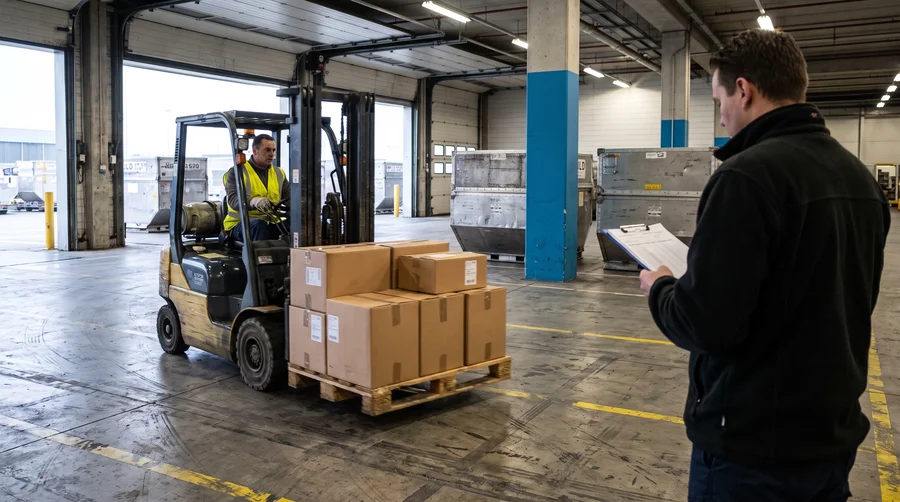
Freight Forwarder or Courier for Air Cargo — What's the Difference?
Choosing between a courier or air freight forwarder? Discover the 5 key differences and when Aircargo.nl is the better choice. Request free advice.

Air Freight Shipment Delayed — What Do You Do Now?
Air freight shipment delayed? Discover the causes, first steps, and your rights. Aircargo.nl assists you 24/7 with proactive solutions from Schiphol.
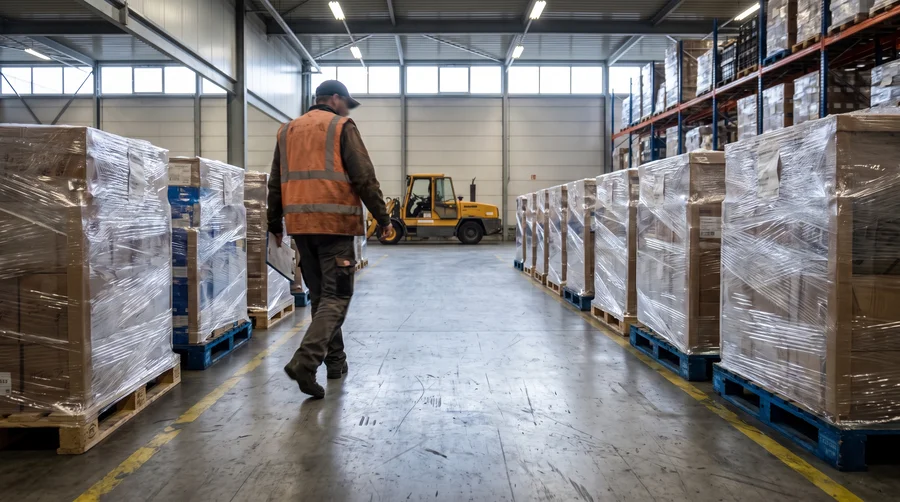
How Much Does It Cost to Ship Air Freight from the Netherlands?
What do you pay for air freight from the Netherlands? Discover rates per kg, surcharges, and cost factors. Request a transparent quote at Aircargo.nl.
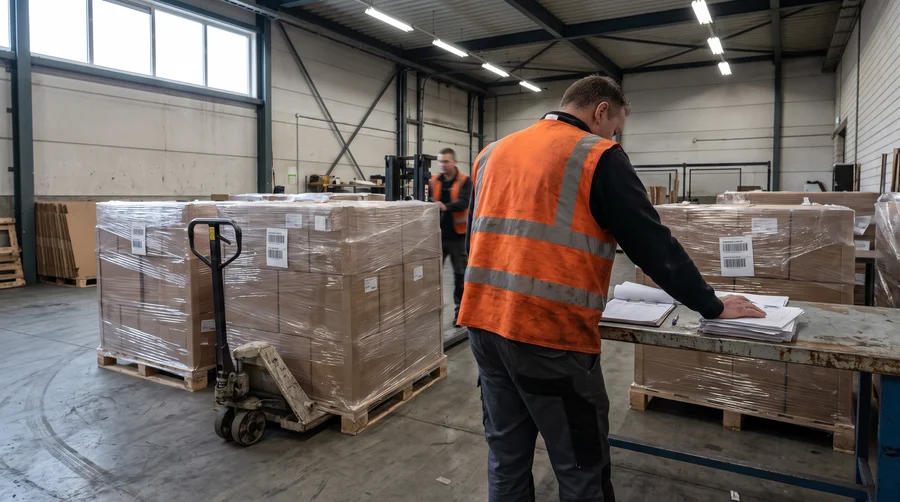
What documents do I need for air freight export?
Which documents are required for air freight export from the Netherlands? AWB, commercial invoice, EX-1, and more. Aircargo.nl guides you from A to Z. Contact us.
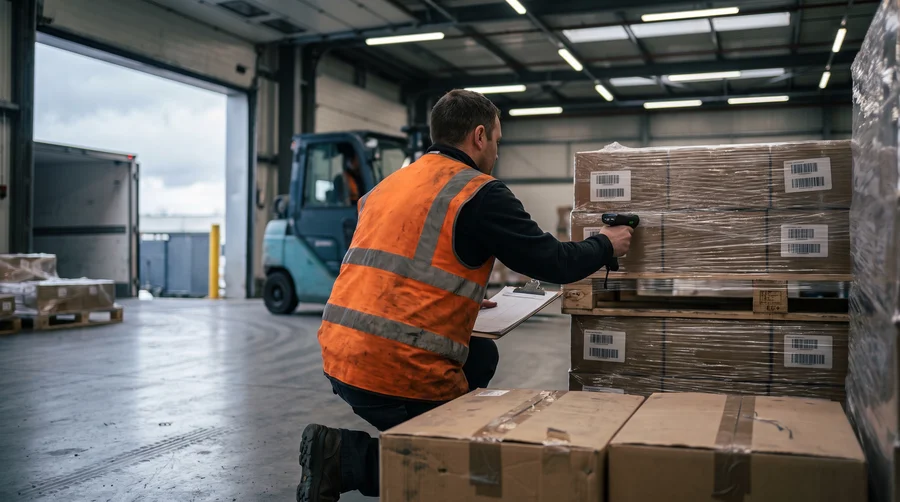
Urgent Air Freight Shipment on Weekends — Who Handles It for You?
Time-critical air freight shipment on the weekend? Aircargo.nl is available 24/7 from Aalsmeer near Schiphol. Request a quote immediately — even on Saturdays.
Aircraft on Ground — What to Do with Urgent Parts
Aircraft on ground? Learn step-by-step how AOG logistics works: NFO, charter, customs, and AEO. Aircargo.nl handles it 24/7 from Schiphol. Get in touch.
Air freight to the US within 24 hours — what's possible?
Air freight to the US within 24 hours from Schiphol: when is it feasible? Read about cut-offs, ISF filings, and AOG. Get advice from Aircargo.nl.
Air Freight from China to the Netherlands — Costs in 2024
What does air freight from China to the Netherlands cost in 2024? Rates from €3 to €9/kg, all additional fees explained. Request a quote at Aircargo.nl.
Best Air Freight Forwarders in the Netherlands
Compare the best air freight forwarders in the Netherlands. From Kuehne+Nagel to independent AEO-certified companies at Schiphol. Request a quote at Aircargo.nl.
How Do I Choose a Good Air Freight Forwarder?
How do you choose the best air freight forwarder? Learn which criteria really matter: AEO certification, independence, network, and transparency. Request a quote from Aircargo.nl.
Air Freight Rates Per Kg Netherlands 2024 — What You Really Pay
What does air freight cost per kg from the Netherlands in 2024? Discover rate ranges, chargeable weight, and surcharges. Request an all-in quote from Aircargo.nl.
Which Freight Forwarders Are at Schiphol?
Which freight forwarders are located at Schiphol? Check out the complete overview of major and smaller forwarders and discover how to choose the right one for your cargo.
AOG Air Freight — What It Is and When You Need It
AOG air freight explained: what it is, how it works, and when you need it. Aircargo.nl handles your urgent shipments 24/7 via Schiphol. Request a quote now.
Best Air Freight Forwarder in the Netherlands — How to Choose Wisely
How do you choose the best air freight forwarder in the Netherlands? Read the criteria for AEO, network, and accessibility — and discover why Aircargo.nl is the right partner.
Compare the Best Air Freight Companies in the Netherlands
Compare the top air freight companies in the Netherlands by price, AEO certification, service, and specialization. Choose the right freight forwarder for your shipment — request a quote.
Request a Quote for Airfreight Small Package: Guide
Request an airfreight quote for your small package. Learn what information you need, how costs are calculated, and how Aircargo.nl assists you quickly.
How Airfreight Shipping Works from the Netherlands
Airfreight from the Netherlands: clear explanation of steps, documents, customs, and costs. Request a customized quote at Aircargo.nl in Aalsmeer.
Book Airfreight at Schiphol for Business — Fast and Hassle-Free
Booking airfreight via Schiphol for business? Aircargo.nl handles export, import, AOG, and customs — AEO certified, available 24/7. Request a quote now.
How Do I Calculate the Volumetric Weight for Air Freight?
Learn how to calculate volumetric weight for air freight using the IATA formula (L×W×H÷6000). Practical explanations, calculation examples, and tips. Request a quote from Aircargo.nl.